CashScroller vs Free Built-In Schedulers
Quick answer: CashScroller vs a free scheduler — which should you use?
In CashScroller vs free scheduler terms, the free native tools each schedule one platform at no cost, while CashScroller is a paid composer that centralizes several platforms in one place. If you post regularly across multiple networks, one-time convenience can pay off; if you post occasionally to a single platform, the free tool is enough.
- Native schedulers are free but cover one platform each.
- A paid composer trades money for centralization and one dashboard.
- The honest question is convenience versus free-but-fragmented for your workload.

Before you pay for any posting tool, it is worth saying the quiet part out loud: several major platforms already let you schedule posts for free. So the real decision in CashScroller vs free scheduler is not "paid tool good, no tool bad." It is a narrower, more honest question — does what a paid composer adds justify its price for the way you work? This article lays out what the free native tools do, what CashScroller adds on top, and how to decide between one-time convenience and free-but-fragmented without overpaying for either.
We are an affiliate publisher, so treat this as what it is: a comparison written by someone who would earn a commission if you buy. That is exactly why we start by telling you when not to.
CashScroller vs free scheduler: the honest comparison
Most "versus" articles pretend the free option barely exists. It very much does. The native schedulers built into major platforms' business and creator suites are capable, reliable, and cost nothing, and for a large number of people they are the correct answer. A paid tool has to justify itself against that baseline, not against the strawman of doing everything by hand at 2am. So the fair frame is: free tools set the floor, and CashScroller has to be worth the gap.
The gap, in one word, is centralization. Almost everything a paid composer offers is available free somewhere — just scattered across separate logins, each covering its own platform. What you pay for is having it in one place. Whether that is worth paying for is entirely a question of scale.
Which platforms let you schedule for free
Several major platforms include native scheduling at no cost through their own business or creator tools, and some third-party apps add limited free tiers on top. The important caveat is coverage: a native scheduler generally handles only its own platform. Schedule for two networks for free and you are logging into two separate tools; add a third and you have three dashboards, three queues, and three places to check whether anything posted. The cost of free, in other words, is fragmentation — and fragmentation is a time cost that grows with every platform you add.
| Factor | Free native schedulers | CashScroller (paid composer) |
|---|---|---|
| Price | Free | One-time payment, no subscription |
| Platform coverage | One platform per tool | Several platforms in one place |
| Where you work | Several separate logins | One browser-based hub |
| Cross-posting | Manual, reformatted per tool | Compose once, adapt per network |
| Reporting | Separate stats in each app | One dashboard: clicks, views, engagement |
| Best for | Single platform, occasional posting | Multiple platforms, regular posting |
| Main trade-off | Free but fragmented | Costs money but centralized |
Read down the table and the pattern is clear: there is no row where free tools are simply incapable. Every difference is about consolidation and time, not about a feature only money can buy. That is the honest shape of this comparison, and it is why the decision comes down to your posting volume rather than to any capability gap.
What a paid composer actually adds
Stated plainly, so you are not paying for a promise you misread: CashScroller adds convenience, not magic. Specifically, it lets you draft a post once and schedule it across several platforms from a single browser-based composer, reformatting per network without re-typing; it keeps one queue and calendar instead of several; and it reports clicks, views and engagement per post in one dashboard so you are not stitching stats together from three apps. For a fuller inventory of what is inside, our complete breakdown of CashScroller features walks through each component. And for the equally important list of what no scheduler can do — free or paid — see what social scheduling tools can and cannot automate, because a paid tool inherits every one of those limits too.

See whether centralizing is worth it for you
CashScroller is a browser-based composer sold as a one-time payment, with three bonus guides at a stated $255 value and a 60-day money-back guarantee through ClickBank. If you post across several platforms and the switching is wearing you down, that is exactly the friction it removes.
See the Current CashScroller OfferOne-time payment · nothing to install · no income claim is made
The real question: one-time convenience vs free-but-fragmented
Here is the decision reduced to its core. Free native tools cost nothing but fragment your workflow across platforms. A paid composer costs a one-time payment but consolidates that workflow. Neither is universally right, because the value of consolidation scales with how much you post. Multiply the minutes you lose to switching, reformatting and cross-checking by how often you do it, and you get the real price of "free." For someone posting to one platform twice a month, that number is trivial and free wins easily. For someone posting to four platforms several times a week, that number is a meaningful slice of every week, and a one-time payment to reclaim it is easy maths.
Put rough numbers on it and the abstraction disappears. Say cross-posting one idea by hand across four platforms — opening each tool, reformatting, scheduling, then later checking each one's stats — costs fifteen minutes you would not spend in a single composer. Do that three times a week and it is roughly forty-five minutes weekly, close to forty hours over a year, spent on pure mechanical shuffling rather than on making better posts. Against that, a one-time payment stops looking like a cost and starts looking like the cheaper option. Run the same sum with your own numbers: post once a month to one platform and the saving is minutes, so free wins without argument; the tool only earns its keep when your volume makes the fragmentation genuinely expensive.
So do the arithmetic on your own habit rather than on a review's enthusiasm. If getting comfortable with queuing posts is the part you are unsure about, our step-by-step guide to scheduling social media posts shows the workflow on both free and paid tools, so you can feel the difference before you spend anything.
Three assumptions to check before you decide
"Free is always the better deal because it's free"
Only if your time is worth nothing, which it isn't. Free tools are a genuine bargain at low volume and a hidden tax at high volume, because the switching cost is paid in hours you never see itemized. "Free" and "cheapest overall" are not the same statement once your posting scales.
"Paid means more powerful features I'm missing out on"
Usually not. As the table showed, the paid advantage is consolidation, not exclusive capability. Do not buy expecting a feature the free tools cannot match; buy because you are tired of doing the same job in five places. If you would not use the centralization, you are not missing anything by skipping it.
"A one-time tool will just be abandoned"
A fair worry with any lifetime-style purchase. Price the risk sensibly: judge the tool on what it does today, treat the stated "free future updates" as a bonus rather than a promise, and use the 60-day money-back window if it disappoints. A one-time price you would be content with even if updates slowed is a calm purchase; one that only makes sense if the roadmap is perfect is not.

Can you mix free and paid schedulers?
Yes, and it is often the smartest setup rather than a compromise. You can centralize the bulk of your posting in a paid composer while still using a platform's native tool for a feature only it offers — a native-only post format, say, or a platform's own boosted-post flow. You can also start entirely on free tools and add a paid one only once the switching cost becomes genuinely annoying, so you never pay ahead of the need. There is no all-or-nothing rule here; the tools coexist, and the right mix is whatever leaves you posting consistently with the least friction.
Who should stick with free — and who benefits from paying
Stick with the free native scheduler if you post to one platform, publish occasionally, are still testing whether you will keep at it, or simply enjoy the platform's own tools. There is no shame and no real cost in this; it is the correct answer for a lot of people, and a paid tool would mostly sit unused.
Consider a paid composer like CashScroller if you post regularly across several platforms, feel the drag of logging into multiple tools, want your clicks, views and engagement in one view, and would rather pay once than either subscribe monthly or keep bleeding time. That is the profile the tool is built for, and for that profile the maths tends to work.
The honest summary
CashScroller vs free scheduler is not a contest of good against bad. Free native tools are capable and correct for single-platform, occasional posting. CashScroller earns its one-time price only by consolidating multi-platform, regular posting into one place. Add up what fragmentation costs you each week, weigh it against a one-time payment, and let your own volume decide. Buy it if it removes real hours from your week; keep the free tools if it wouldn't.
Frequently asked questions
Which platforms let you schedule for free?
Several major platforms include native scheduling at no cost through their own business or creator tools, and some third-party apps offer limited free tiers. The catch is that each native scheduler generally covers only its own platform, so scheduling across several networks for free means logging into several separate tools.
What does a paid scheduler add over free ones?
The main thing a paid composer adds is centralization: drafting once and scheduling across several platforms from one place, plus a single dashboard for clicks, views and engagement. You are not usually paying for a capability free tools lack, you are paying to stop switching between fragmented tools, which is a convenience rather than a superpower.
Is CashScroller worth it over native tools?
It depends entirely on how much you post across how many platforms. If you publish regularly to several networks, one-time convenience can pay for itself in saved hours. If you post occasionally to a single platform, the free native scheduler is genuinely enough and CashScroller adds little you would use.
Can I mix free and paid schedulers?
Yes, and many people do. You might centralize most posting in a paid composer while still using a platform's native tool for a feature only it offers, or start entirely on free tools and add a paid one once the switching cost becomes annoying. Nothing forces an all-or-nothing choice.
Sources and further reading
Related reading
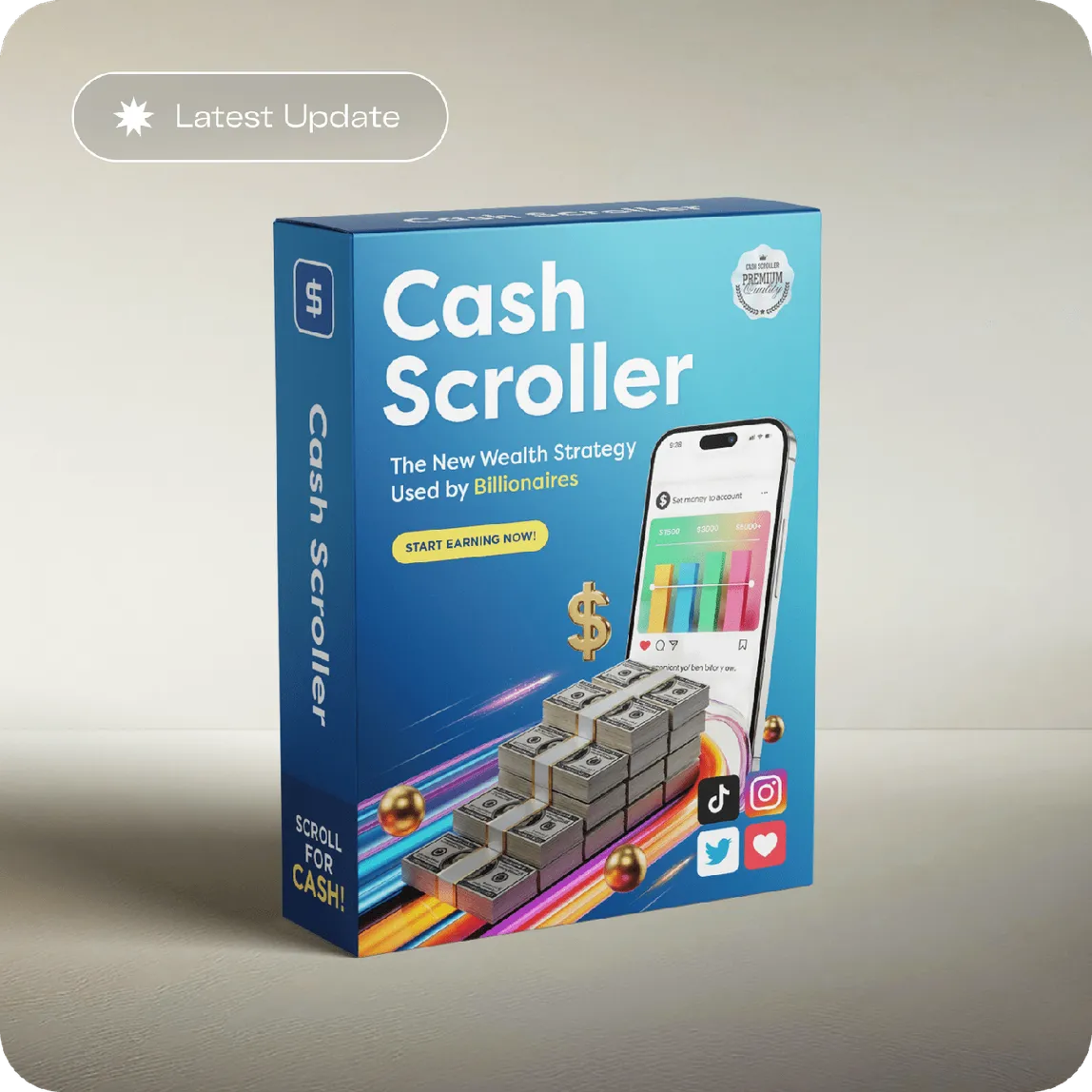
Decide with the full picture in front of you
The main CashScroller page lists every feature, bonus and term the vendor publishes, so you can weigh it against the free tools with the facts in hand. Browser-based, bought once, 60-day money-back guarantee through ClickBank.
Check the Official CashScroller Offer