CashScroller vs Buffer: 2026 Comparison
Quick answer: CashScroller vs Buffer — which should you choose in 2026?
In the CashScroller vs Buffer decision, Buffer is a mature platform with a free plan and monthly paid tiers, while CashScroller is a one-time purchase (advertised near $67 via ClickBank) with AI-assisted suggestions and a members' area. Light posters win with Buffer free; heavy multi-platform posters may save money paying once for CashScroller.
- Buffer: free plan plus recurring subscriptions, broad integrations, proven track record.
- CashScroller: one-time price, AI-assisted suggestions, 60-day money-back guarantee.
- Pick by your posting volume and budget, not by hype on either side.

If you have landed here searching CashScroller vs Buffer, you probably already know both are ways to schedule social media posts, and you are trying to work out which is worth your money in 2026. The honest short version: Buffer is the older, broadly integrated platform with a free plan and paid monthly tiers, while CashScroller is a newer, one-time purchase with AI-assisted suggestions and a members' area. Neither is a scam and neither is magic. The right pick depends almost entirely on how much you post and how you would rather pay — monthly forever, or once up front.
We are an affiliate publisher, so read this as a comparison written by someone who earns a commission only if you buy CashScroller. That is precisely why we open by naming the cases where Buffer, including its free plan, is the smarter choice. A comparison that never tells you to walk away is not a comparison.
CashScroller vs Buffer: the two pricing models explained
The single most important difference in CashScroller vs Buffer is not a feature at all — it is how you pay. Buffer uses the familiar freemium subscription model: a free plan that covers a limited number of connected channels and a small scheduling queue, then paid tiers billed every month as you add channels and unlock analytics. CashScroller takes the opposite approach, selling a one-time payment (advertised at roughly $67 through the ClickBank marketplace) with no recurring fee and a 60-day money-back guarantee. Everything else in this comparison hangs off that fork in the road.
Why does the pricing model matter more than the feature list? Because both tools do the same core job: they let you write a post, pick where it goes, and set when it publishes. Once you accept that the fundamentals overlap, the interesting question becomes financial. A subscription is cheap to start and expensive to keep; a one-time purchase is more to commit up front and cheaper to hold. Your posting volume is what decides which of those curves ends up costing you less.
Price: one-time payment versus a monthly subscription
Let us put the money on the table plainly. Buffer's free plan costs nothing and, for a lot of people, is genuinely enough. Its paid tiers are billed monthly, typically scaling with how many channels you connect, so the price grows as your presence grows. CashScroller asks for a single payment near $67 and then nothing else, with the ClickBank guarantee window giving you 60 days to change your mind. So the comparison is not "free versus paid." It is "free-but-capped, or subscribe-monthly, or pay-once."
Here is the arithmetic that actually decides it. If Buffer's free plan covers your needs, Buffer is the cheapest option, full stop — zero beats sixty-seven dollars every time. But the moment you would be paying Buffer a monthly fee, the maths flips. A one-time payment near $67 is recovered in a handful of months of an equivalent subscription, and every month after that a one-time tool costs you nothing while a subscription keeps billing. Over a year or two of steady posting, pay-once is usually the cheaper path. Over a couple of light months, free-tier Buffer wins. There is no universal answer, only a break-even point that depends on your volume. If you want to see how the one-time figure is structured including the bonus guides, our breakdown of what you actually pay for CashScroller in 2026 lays out every line.
| Factor | Buffer | CashScroller |
|---|---|---|
| Pricing model | Free plan plus monthly paid tiers | One-time payment (advertised ~$67) |
| Entry cost | $0 on the free plan | One payment, then nothing |
| Maturity | Long-established, widely used | Newer entrant via ClickBank |
| Integrations | Broad, well-documented | Core platforms, browser-based |
| AI assistance | Available on paid tiers | AI-assisted suggestions included |
| Extras | Established support and docs | Members' area plus bonus guides |
| Guarantee | Cancel anytime (subscription) | 60-day money-back via ClickBank |
| Best for | Light users; those wanting proven integrations | Regular multi-platform posters who prefer paying once |
Read the table top to bottom and the shape is clear. Buffer's advantages cluster around maturity, integrations and a free entry point. CashScroller's cluster around one-time pricing and its bundled extras. Neither column is empty and neither is all wins, which is exactly what an honest CashScroller vs Buffer comparison should look like.
Features and channels: what each tool covers
On raw scheduling, the two are more alike than different. Both let you queue posts across the major networks, both give you a calendar view, and both report back on how posts performed. Buffer's edge is breadth and polish: years of refinement, a wide catalogue of documented integrations, and a large user base that means answers to almost any question are a search away. If you rely on a specific third-party connection or an unusual platform, Buffer is more likely to already support it.
CashScroller's pitch is a tidy, browser-based composer with AI-assisted suggestions to help you draft and vary posts, plus a members' area with guidance bundled in. The AI help is genuinely useful for beating the blank-page problem, but be clear-eyed about what it is: assistance with wording and ideas, not a guarantee that anything you publish will perform. No scheduler, Buffer or CashScroller, controls who sees your post — the platforms decide that. If you want the full picture of where those limits sit for any tool, our guide to what social scheduling tools can and cannot automate is worth reading before you buy either one.

Analytics: reading results in each tool
Both tools report clicks, reach and engagement, so on paper the analytics story looks even. The real difference is again structural. Buffer's deeper reporting lives on its paid tiers, meaning richer analytics come with the monthly bill. CashScroller folds its dashboard into the one-time price, so you are not choosing between a cheaper plan and better numbers. For most creators and small businesses, the metrics that matter — what got clicked, what got seen, what got ignored — are covered by either tool. The tie-breaker is whether you would rather unlock those numbers by subscribing or by paying once. Just remember that analytics describe what already happened; they do not change what the algorithm does next.
Prefer paying once instead of every month?
If you have decided the CashScroller vs Buffer verdict comes down to "I would rather not subscribe," CashScroller is a browser-based composer sold as a single payment (advertised near $67) with AI-assisted suggestions, a members' area, bonus guides and a 60-day money-back guarantee through ClickBank. No income claim is made — it is a time-saving tool, not a paycheck.
See the Current CashScroller OfferOne-time payment · nothing to install · no income claim is made
Three objections worth checking before you decide
"Buffer is free, so paying for CashScroller makes no sense"
True only while Buffer's free plan actually covers you. The free tier caps channels and queue size, and the day you hit that ceiling you either subscribe monthly or look elsewhere. At that point "Buffer is free" quietly becomes "Buffer is a recurring bill," and a one-time purchase stops looking irrational. The fair comparison is not free Buffer versus paid CashScroller; it is paid Buffer versus paid-once CashScroller, and that is a much closer contest.
"A newer one-time tool is riskier than an established platform"
There is real substance to this. Buffer's maturity means stability, documentation and a support community CashScroller cannot yet match. Price that risk sensibly: judge CashScroller on what it does the day you buy it, treat future updates as a bonus rather than a promise, and lean on the 60-day ClickBank guarantee if it disappoints. Buying an established platform buys peace of mind; buying a one-time tool buys freedom from the monthly bill. Both are legitimate priorities.
"Whichever I pick will get my posts more reach"
Neither will, and any tool implying otherwise is overselling. Buffer and CashScroller both publish on schedule and report results, but the platforms themselves decide distribution. A scheduler makes you consistent; consistency helps; distribution is still earned by the content. If you want the mechanics of that, see our explainer on how social media algorithms decide your reach, which applies equally no matter which scheduler sits behind your posts.

Which should you pick? A volume-based decision
Choose Buffer — especially its free plan — if you post lightly, are just starting out, want the reassurance of a long-established platform, or depend on a specific integration Buffer is known to support. For a beginner posting a few times a week, the free plan is hard to beat because it costs nothing and asks for no commitment. There is no downside to starting here.
Choose CashScroller if you post regularly across several platforms, would rather pay once than watch a subscription renew every month, and like the idea of AI-assisted suggestions plus a members' area bundled into a single price. For steady, multi-platform posters, the one-time model tends to be the cheaper path over a year or two, and the 60-day guarantee lowers the risk of trying it. If you are still weighing whether it earns its keep, our full CashScroller review for 2026 and our roundup of free and paid CashScroller alternatives both help you sanity-check the choice against the wider market.
The honest summary
CashScroller vs Buffer is not a battle of good against bad; it is a choice between two pricing philosophies attached to broadly similar tools. Buffer offers a free entry point, deep maturity and wide integrations, with better features gated behind a monthly bill. CashScroller offers a one-time payment, AI-assisted suggestions and a members' area, trading Buffer's track record for freedom from subscriptions. Add up how often you post, decide whether you would rather pay monthly or once, and let that volume make the call. Start on Buffer's free plan if you are light; move to a paid-once tool like CashScroller when the subscription math turns against you.
Frequently asked questions
Is CashScroller better than Buffer?
Neither is universally better; they are built on different pricing models. Buffer is a mature, widely integrated platform with a free plan and monthly paid tiers, while CashScroller is a one-time purchase with AI-assisted suggestions and a members' area. If you value proven integrations and a no-cost entry point, Buffer wins; if you post enough to prefer paying once instead of every month, CashScroller can be the better fit.
Which is cheaper long-term, CashScroller or Buffer?
Over enough time, a one-time purchase is usually cheaper than a recurring subscription. CashScroller is advertised around a one-time $67 through ClickBank, whereas Buffer's paid tiers bill monthly per set of channels. If you only ever need Buffer's free plan, Buffer stays cheaper. Once you would be paying Buffer monthly, CashScroller's one-time cost tends to break even within months.
Does Buffer's free plan beat paying for CashScroller?
For light users, Buffer's free plan is genuinely hard to beat because it costs nothing and covers a handful of channels with a small queue. It beats paying for anything if your volume is low. CashScroller only pulls ahead when you outgrow the free limits and would otherwise start paying a monthly subscription to continue.
Which suits a beginner posting a few times a week?
A beginner posting a few times a week is usually served well by Buffer's free plan, which covers that cadence at no cost with no commitment. Consider CashScroller once you are posting across several platforms regularly, want AI-assisted suggestions, and would rather pay once than subscribe. Start free, then upgrade only when the workload justifies it.
Sources and further reading
Related reading
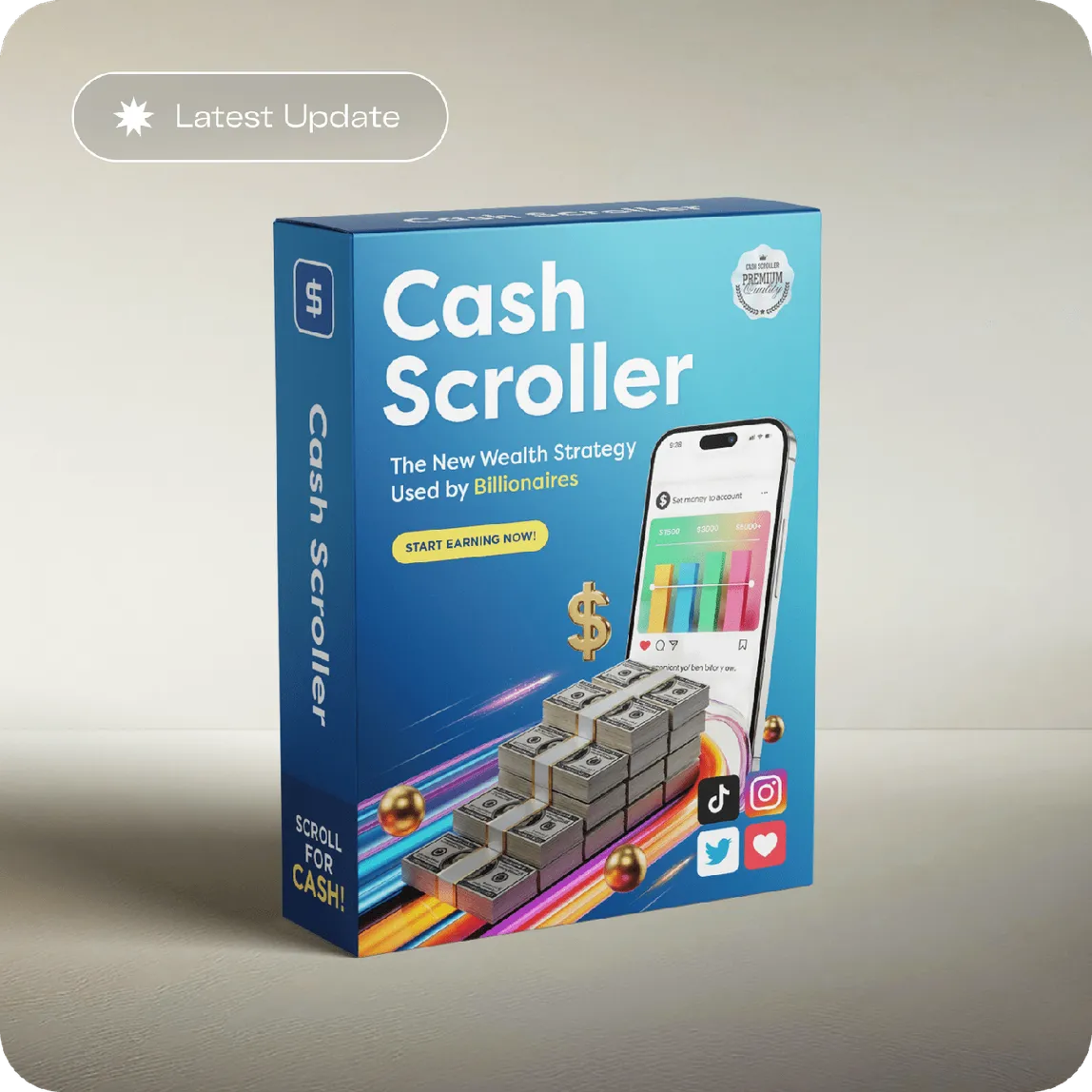
Compare the full offer against Buffer for yourself
The main CashScroller page lists every feature, bonus and term the vendor publishes, so you can weigh the one-time price against Buffer's subscription with the facts in hand. Browser-based, bought once, 60-day money-back guarantee through ClickBank.
Check the Official CashScroller Offer